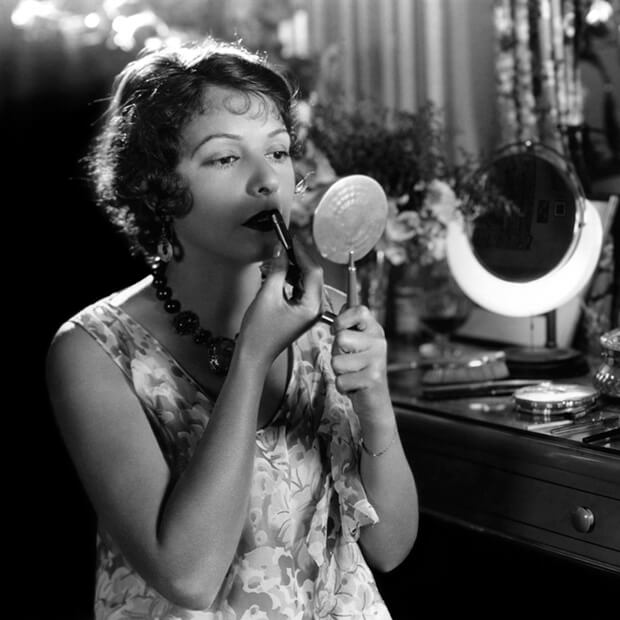
Becoming Norma Talmadge: Rise of a Silent Film Icon
The golden age of Hollywood may often conjure images of talkies and technicolor, but long before the microphone became a staple, a pantheon of silent stars reigned supreme. Among the brightest luminaries of this incandescent era was Norma Talmadge, an actress whose name became synonymous with dramatic depth, sophisticated charm, and unparalleled box office appeal. Her journey from a Brooklyn teenager to a paramount figure in
Talmadge Silent Film history is a compelling narrative of ambition, talent, and strategic genius, marking her as an enduring icon of early cinema.
Talmadge’s remarkable staying power in an industry notorious for its fleeting fame set her apart. She didn't just survive the nickelodeon era; she thrived, transitioning seamlessly into the glamorous world of feature films in the late 1910s and achieving superstardom by the early 1920s. Her reign continued unchallenged for the better part of a decade, solidifying her status as a true legend before the advent of sound finally brought her storied career to a close.
From Brooklyn Stage to Vitagraph's Lens: The Early Spark
Norma Talmadge's entry into the nascent film industry was far from glamorous. Born and raised in Brooklyn, New York, the ambitious teenager embarked on her professional journey in 1910, taking a humble streetcar ride to apply for work at the bustling Vitagraph studio in Flatbush. Her only prior experience involved posing for "song slides"—a rudimentary form of visual entertainment often accompanying live musical performances in theaters. This seemingly minor background, however, honed her ability to convey emotion and character through stillness and gesture, skills that would prove invaluable in the world of
silent film acting.
At Vitagraph, Talmadge immersed herself in the demanding environment of early film production. She quickly progressed from bit parts and extra work to securing leading roles, absorbing every nuance of her craft along the way. The rapid pace of production in those days meant actors learned on the job, often shooting multiple shorts in a single week. This rigorous training ground allowed Talmadge to develop an intuitive understanding of screen presence and emotional projection. Some of these early Vitagraph shorts miraculously survive, offering precious glimpses into her nascent talent. A charming example is the 1913 film _Father’s Hatband_, where a baby-faced Talmadge, with her natural grin and boisterous laugh, showcases an undeniable charisma. While not yet the polished actress she would become, her raw charm and engaging presence were already evident, hinting at the star power waiting to be unleashed.
Navigating Hollywood's Early Currents: Challenges and Breakthroughs
The path to stardom was not without its detours and challenges for Norma Talmadge. In 1916, a promising venture with an underfunded company left her stranded in California, a common plight in the often-turbulent early film industry. Undeterred, she sought work with the legendary director D.W. Griffith at Triangle, hoping to leverage her burgeoning talent. However, fate had other plans. Griffith, ever the talent scout, was more captivated by her younger sister, Constance. Yet, Norma's persistence paid off in a different way. She secured steady employment in a series of routine melodramas, honing her dramatic chops.
A notable exception during this period was the comedy-drama _The Social Secretary_. Written by the future _Gentlemen Prefer Blondes_ scribe Anita Loos, the film provided Talmadge with a role that subtly challenged societal norms. In it, her character deliberately dresses down to apply for a secretarial position, specifically sought by a woman who desires an "unattractive" assistant—a clever plot device designed to fend off unwanted advances from male employers. This early glimpse into a character asserting agency resonates with the "modern woman" persona Talmadge would later embody.
It was later that same year, however, that Talmadge forged a partnership that would prove to be one of the most significant and profitable relationships of her career. Joining forces with Joseph M. Schenck, a shrewd businessman who would become a future mogul, they established a New York studio. This collaboration was a masterstroke, allowing Talmadge unprecedented control over her projects. Together, they produced a string of hits, primarily society dramas, distinguished by opulent gowns from leading designers and high production values. This strategic move steadily cemented her reputation not only as a captivating actress but also as a powerful and bankable star. It was a pivotal moment, shifting the balance of power and laying the groundwork for
Norma Talmadge's silent film dominance.
The Melodrama Queen: Crafting an Enduring Persona
Norma Talmadge truly found her niche as the queen of melodrama, captivating audiences with her portrayals of complex female characters. She often specialized in roles that resonated deeply with the societal anxieties and evolving roles of women in the early 20th century. Her characters were frequently misunderstood wives, inexperienced women grappling with poor decisions, or individuals emerging from problematic backgrounds. Sometimes, she even tackled both at once, embodying dual roles within the same film, showcasing her versatility.
What set Talmadge apart was her ability to infuse these characters with depth and relatability. Her women weren't mere victims; they were protagonists facing profound challenges, often making difficult choices in morally ambiguous situations. A fine example of her burgeoning acting skills is 1918’s _The Safety Curtain_. Here, she plays an abused wife of a vaudeville performer who, believing her husband dead, remarries a British officer in India, yet remains deeply scarred and afraid of intimacy. This nuanced portrayal of psychological trauma was groundbreaking for its time. Even more compelling is 1921’s _The Sign on the Door_, one of three Talmadge pictures directed by Herbert Brenon. In a bravura scene, Talmadge's character finds herself locked in a room with a man her husband has shot, moving seamlessly from shock and panic to decisive action to protect her family. This performance epitomized her talent for conveying intense emotional arcs without uttering a single word, a testament to her mastery of the
silent era's dramatic demands. These roles, often adorned with exquisite, designer-crafted gowns, presented her as a woman of elegance enduring the challenges of a rapidly changing world, solidifying her image as the
Norma Talmadge: The Silent Era's Modern Woman & Melodrama Queen.
Reigning Supreme: Norma Talmadge at the Box Office Zenith
By the early 1920s, Norma Talmadge stood at the absolute pinnacle of her success. Her strategic partnership with Schenck and her innate acting talent converged to make her an unstoppable force at the box office. Between 1923 and 1925, she consistently ranked as the number one star, a testament to her immense popularity and drawing power. This was a period when her films weren't just hits; they were cultural phenomena.
The press of the era extolled her as "womanly" and, crucially, as a "modern woman." This wasn't merely marketing rhetoric; it reflected how audiences perceived her characters. Unlike the sensational vamps or the saccharine innocents often seen on screen, Talmadge's heroines embodied the complex challenges and evolving experiences of real women. They faced moral dilemmas, societal pressures, and personal crises that resonated deeply with her largely female audience. Her ability to portray these relatable struggles, combined with her innate glamour and dramatic prowess, was undoubtedly
Norma Talmadge's Secret to Silent Film Box Office Dominance.
As her star continued to ascend, Talmadge began to produce grander, more prestigious films. A prime example is _Smilin’ Through_ (1922), a tremendously popular picture that spawned two remakes, one of which was also directed by Sidney Franklin, a frequent collaborator and a "Talmadge favorite." In this film, her last dual role, she gracefully transitioned between playing a doomed 19th-century bride who soulfully expires in her fiancé’s arms and a modern woman navigating contemporary life. Her captivating performance in a lovely scene at a train station as the latter character showcased her ability to convey quiet strength and dignity, even in the bustling modernity of the 1920s. This blend of timeless romanticism and contemporary relevance was a hallmark of her enduring appeal and a key factor in her unparalleled box office success, ensuring her place as a true
Talmadge Silent Film powerhouse.
Legacy Beyond the Lens: The Enduring Charm of a Silent Star
Norma Talmadge’s illustrious career spanned the entirety of the silent film era, only to be curtailed by the revolutionary arrival of "talkies." Despite her attempts to transition to sound films, her distinctive voice did not resonate with audiences in the same way her expressive face and gestures had. However, this shift does not diminish her profound impact on cinema history. Her ability to command the screen without uttering a word, to convey the full spectrum of human emotion through subtle shifts in expression and body language, remains a masterclass in acting.
Even decades later, her name persists in popular culture, occasionally appearing as a clue in crossword puzzles—a small but significant testament to her lasting recognition. For film enthusiasts and historians, Norma Talmadge represents a pivotal figure in the development of screen acting and star power. Her journey from a hopeful Brooklyn teenager to the highest echelons of Hollywood illustrates the grit and glamour of early cinema. Exploring her surviving films offers a unique window into a bygone era of storytelling, reminding us of the artistry and innovation that thrived before sound transformed the silver screen. Her legacy underscores the timeless power of compelling performance, a key lesson for aspiring actors even today: true presence transcends dialogue.
In conclusion, Norma Talmadge was more than just a famous face; she was an architect of her own destiny, a savvy businesswoman, and an actress whose profound understanding of human emotion made her a relatable and revered figure. Her reign as a
Talmadge Silent Film icon left an indelible mark on cinematic history, proving that charisma, talent, and strategic acumen are truly timeless qualities. Her story is a vibrant chapter in the annals of Hollywood, a testament to the enduring magic of the silent screen.