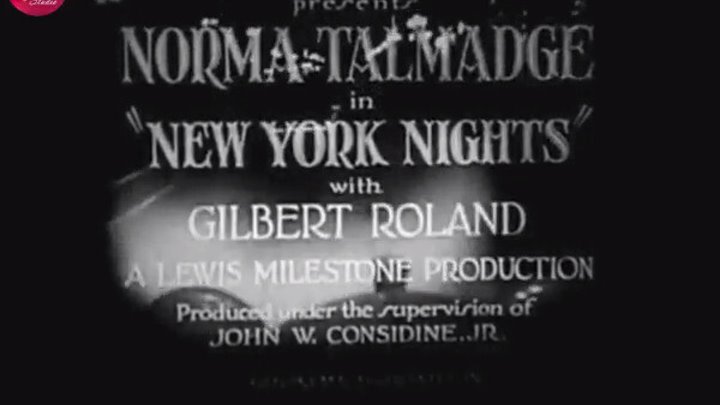
Norma Talmadge's Secret to Silent Film Box Office Dominance
In the dazzling, yet fleeting, world of early Hollywood, few stars shone as brightly or as consistently as Norma Talmadge. While many silent film luminaries flickered and faded, Talmadge commanded the box office, reigning supreme from 1923 to 1925 – a feat that solidified her as one of the era's most powerful and beloved figures. But what was the secret behind her extraordinary success? It wasn't just beauty or raw talent; it was a potent cocktail of shrewd business acumen, a deep understanding of her audience, and an uncanny ability to portray the complex "modern woman" on screen. Her legacy, enduring enough to still be a popular crossword clue for "silent film star Talmadge" decades later, reveals a masterclass in building a cinematic empire.
The Dawn of a Diva: From Brooklyn Bit Parts to Budding Star
Norma Talmadge's journey to the pinnacle of silent cinema began far from the glamorous sets of Hollywood. Born and raised in Brooklyn, her initial foray into performance was humble, posing for song slides. However, this early exposure ignited a passion that led the determined teenager to Vitagraph’s Flatbush studio in 1910. Here, in the bustling crucible of early film production, she honed her craft, moving from bit parts and extra work to increasingly prominent roles in short films. Surviving examples, like 1913’s
Father’s Hatband, reveal a performer of undeniable, natural charm—a baby-faced grin and a raucous laugh hinting at the charismatic presence that would soon captivate millions. This period was more than just acting; it was a rigorous apprenticeship, teaching her the technical demands and emotional nuances of a nascent art form.
Her career trajectory wasn't without its early challenges. A false start in California in 1916 left her seeking work, even leading her to the famed D.W. Griffith, who notably took more of a shine to her younger sister, Constance. Yet, Norma persevered, finding steady employment in a series of melodramas and, notably, in the comedy/drama
The Social Secretary. Penned by future
Gentlemen Prefer Blondes author Anita Loos, this film offered an intriguing glimpse into Talmadge’s future screen persona. Her character, weary of fending off male advances, cleverly dresses down to secure a job from a woman specifically seeking an "unattractive" secretary. This early role subtly foreshadowed her later ability to embody women navigating societal expectations and challenges, setting the stage for her empathetic portrayals. For a deeper dive into her formative years, explore
Becoming Norma Talmadge: Rise of a Silent Film Icon.
A Masterclass in Movie Moguldom: The Schenck-Talmadge Formula
While her talent was undeniable, Norma Talmadge's true ascent to superstardom was cemented by a pivotal partnership with future mogul Joseph M. Schenck. This collaboration, forged in late 1916, proved to be nothing short of revolutionary and stunningly profitable for both. Unlike many female stars who were simply performers, Talmadge, with Schenck’s backing (and later, as his wife), gained an unprecedented degree of control over her productions. This was a critical "secret" to her enduring dominance in the Talmadge Silent Film era.
Their New York studio became a hit factory, churning out a steady stream of sophisticated society dramas. Talmadge wasn't just an actress for hire; she was a brand. Production values were consistently high, with leading designers crafting the exquisite gowns that became synonymous with her on-screen glamour. This meticulous attention to detail and commitment to quality ensured that every Norma Talmadge film was an event, building a reputation for prestige and entertainment that audiences eagerly anticipated. Schenck handled the business and distribution, while Talmadge, leveraging her discerning artistic eye, influenced scripts, directors, and the overall aesthetic, effectively becoming one of the most powerful women in early Hollywood. This autonomy allowed her to craft a distinct screen image and consistently deliver the kind of compelling narratives her audience craved, setting her apart in a highly competitive industry.
The Art of Empathy: Crafting the "Modern Woman" on Screen
Norma Talmadge's on-screen persona was a major component of her box office success. She meticulously cultivated a brand that resonated deeply with the burgeoning aspirations of women in the 1920s. Her characters were rarely the simple vamps or naive innocents prevalent in other films. Instead, Talmadge specialized in portraying complex, relatable women grappling with "woman's challenges"—misunderstood wives, inexperienced women making questionable decisions, or those emerging from problematic backgrounds. Often, she'd even tackle double roles within the same film, showcasing her versatility and the multifaceted nature of her characters.
Consider her performances: In 1918’s
The Safety Curtain, she embodies an abused wife, marrying again after believing her husband dead, yet remaining profoundly afraid of intimacy. This nuanced portrayal of emotional trauma was groundbreaking. Even more powerfully, 1921’s
The Sign on the Door, one of three Talmadge pictures directed by Herbert Brenon, features a bravura scene where she transitions from shock to panic to decisive action, locked in a room with a man her husband has shot, all to save her family. These roles required an incredible depth of emotion conveyed without spoken dialogue, making Talmadge a master of expressive silent acting.
By the early 1920s, with films like
Smilin’ Through (1922), Talmadge was at her absolute peak. This incredibly popular film, which even spawned two remakes, highlighted her ability to command both period romance (as a doomed 19th-century bride) and contemporary grace (as a modern woman at a train station). The press extolled her as "womanly" and, crucially, a "modern woman"—a figure who faced realistic obstacles and triumphs, mirroring the lives of her adoring female audience. It was this authentic connection, this portrayal of women who were neither idealized nor villainized but simply human, that made her a silent film sensation. To understand more about her iconic roles, check out
Norma Talmadge: The Silent Era's Modern Woman & Melodrama Queen.
Box Office Queen: Why Norma Reigned Supreme
Between 1923 and 1925, Norma Talmadge wasn't just a star; she was *the* star, consistently ranking number one at the box office. Her secret was not a single factor but a harmonious convergence of her exceptional talents and strategic decisions. She was a magnetic screen presence, capable of conveying profound emotions through subtle gestures and expressions, forging an intimate bond with her audience. Her films were not only emotionally resonant but also visually stunning, thanks to the high production values and meticulous design choices championed by the Schenck-Talmadge partnership.
Her character choices tapped into the evolving social landscape, presenting women who were strong, flawed, and resilient—a powerful reflection for a changing society. The "grander, more prestigious films" she began to produce in her later silent career further solidified her standing as an artist and an industry leader. Norma Talmadge was more than an actress; she was a brand, a businesswoman, and a cultural touchstone. Her reign as a box office queen during the pinnacle of the Talmadge Silent Film era offers valuable insights. For modern creators and performers, Talmadge's career underscores the importance of:
- Audience Connection: Deeply understanding and reflecting the emotional landscape of your target demographic.
- Quality Control: Insisting on high production values and a consistent brand image.
- Strategic Partnerships: Aligning with individuals who complement your skills and empower your vision.
- Evolving Persona: Adapting character types to remain relevant and engaging to a changing world.
- Artistic Integrity: Choosing roles that offer depth and meaning, rather than just superficial appeal.
Conclusion
Norma Talmadge's box office dominance in the silent film era wasn't a stroke of luck; it was the result of a carefully orchestrated career built on talent, ambition, and a keen understanding of her craft and her audience. From her humble beginnings at Vitagraph to her sophisticated melodramas, she continually pushed boundaries, creating characters that resonated with the "modern woman" of her time. Her partnership with Joseph M. Schenck gave her an unparalleled level of creative and financial control, allowing her to shape her own destiny in Hollywood. Long after the talkies silenced her specific form of artistry, Norma Talmadge remains an enduring symbol of what it meant to be a silent film star, a savvy businesswoman, and a true icon of the silver screen. Her legacy continues to inspire, reminding us that true stardom often lies in the powerful blend of art and strategy.